Dorian’s Faction Defeats Hero Society
The Night CleanerDorian’s Faction Defeats Hero Society is both the victory Dorian repeatedly foresees and the conflict that later erupts into open battle. His vision gives the confrontation a seemingly settled ending: Dorian’s army celebrates, Draco has fallen, and Hero Society’s remaining fighters are surrounded by losses. When the battle begins, however, victory is still contested. Dorian’s certainty is therefore not the same as a confirmed account of the fight’s actual conclusion.
Causes and Preparation
Dorian frames the conflict as a struggle over how people with powers should live. He argues that they should be free to live openly rather than remain hidden, while Hero Society represents a competing vision of their place in the world. Earlier, he and Draco meet as opponents with sharply different plans. Draco demands that Dorian end what he is doing so that no more people are hurt; Dorian answers that both of them want to improve the world, though they disagree about what that requires. The exchange establishes the conflict as more than a personal contest: each man understands himself as pursuing a better future, while the other’s methods threaten it.
Dorian’s preparations turn that ideological dispute into a coordinated assault. Jesse, host of Echo’s gift, has practiced shifting into animals, while Ajax and Monica are assigned to destroy the bridge leading onto the island. Dorian watches from a nearby rooftop as the empty bridge collapses into the water early in the morning. The destruction cuts the island’s connection to the outside; immediately afterward, power fails across the city block by block. The sequence shows the attack beginning through control of access and infrastructure before the opposing forces meet in combat.
The Foreseen Victory
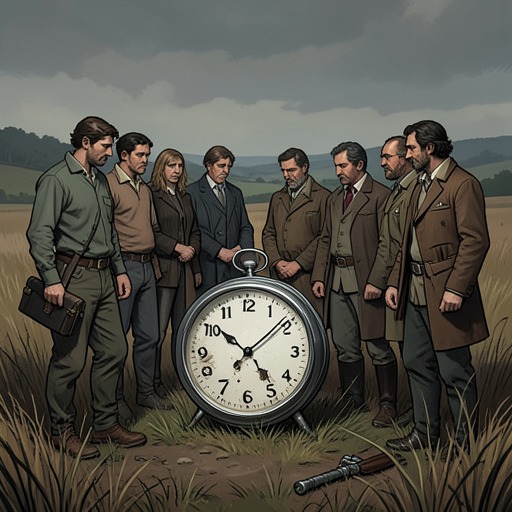
In the future vision Dorian checks repeatedly, the war ends with his side triumphant. He announces that Hero Society has lost and that his faction is free, and his army answers by raising their fists. Draco lies defeated, but Dorian expects him to heal rather than die; in Dorian’s vision, survival does not mean a return to a full life. This projected ending presents victory as both a military reversal and a personal reckoning between the two rivals.
The vision also refuses to make that triumph clean. Dorian looks at the dead and recalls that he had offered Hero Society’s opponents a chance to join him and abandon the organization. He insists that he does not seek to rule the world, describing his aim instead as bringing people with powers into the open. Yet the scene places that claim beside the dead, making the cost of his promised freedom impossible to separate from the means by which he pursues it.
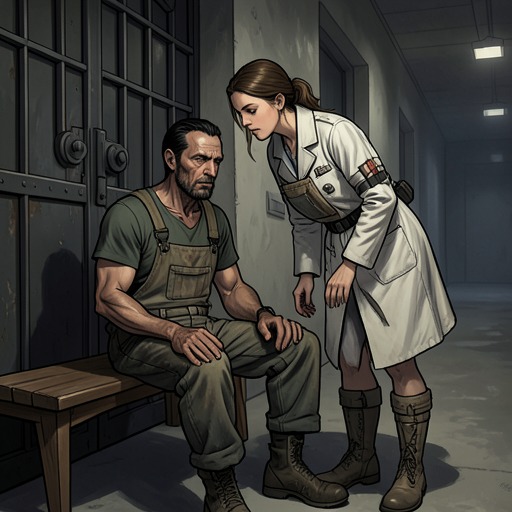
Several losses give the forecast its personal weight. Rose lies dead, with Draco having gently placed her hands over her stomach after her death. Leon and Lilith are found in one another’s arms: Lilith has sacrificed herself to save Leon’s soul, and both are understood to have perished. Echo, battered by the fighting she has undertaken in animal forms, defies Dorian and promises that Hero Society will not give up. Asher is beside her and, though injured, is expected to survive. These distinct fates make the vision less a simple image of an army’s success than Dorian’s forecast of what that success will demand from both sides.
The Battle Begins
The later confrontation opens with Dorian addressing the few people still standing against him in the nearly empty city. He argues that humans have recently been willing to harm people with powers and accuses Hero Society of remaining loyal to those who abandoned them. He invites his opponents to join him and live without fear or persecution, while condemning the organization’s cause as misguided. No one responds. Dorian expects their refusal, but makes the appeal before turning to violence, presenting the choice as one between his promised freedom and continued resistance.
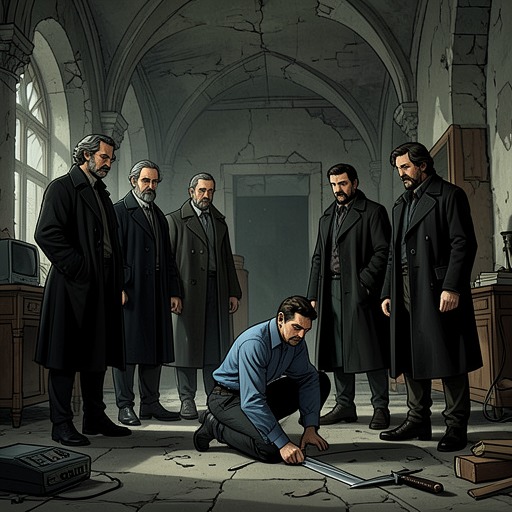
The fighting then spreads across the city as opponents pair off. Leon faces Ajax, Lilith faces Monica, Phillip faces Ron Presley, and the young mind-reader from the hospital is also among the combatants. Jesse and Echo fight in animal forms, while Asher faces Trix, whose power concerns shadows. The distribution of matchups turns the wider conflict into a series of personal contests. Dorian, however, singles out Draco as the principal opponent he must finish, returning the battle’s focus to the rivalry that has framed the confrontation from the start.
Their duel is physically punishing, but its defining contrast is endurance. Draco does not draw his sword, even though it is ready, and instead continues fighting with his fists. Dorian cannot be killed and recovers his energy quickly after growing weary; Draco draws on sunlight, a reserve that can last for days unless he gives it back to the earth. Dorian is also more focused and lethal than in their previous fight, anticipating moves either by watching Draco or through his visions of the future. The struggle could continue for days, so the forecast of a decisive win stands against a fight whose immediate terms still leave its outcome unresolved.
Consequences and Significance
The event’s most consequential reversal lies between what Dorian sees and what the battle shows. His vision makes his victory the likeliest future and supplies a detailed picture of its human cost, but the later scene records the city becoming a battlefield rather than confirming that predicted ending. Dorian’s confidence is therefore both a source of momentum and a claim the unfolding conflict has yet to test.
The confrontation also keeps freedom and coercion in uneasy proximity. Dorian offers his opponents release from secrecy and persecution, while demanding that they abandon Hero Society; when they refuse, the argument gives way to combat. His belief that the struggle has a middle ground does not prevent the city from becoming a place where only one side can win. By joining the bridge’s destruction and blackout to the public appeal, the divided battlefronts, and the expected casualties in his vision, the narrative presents Dorian’s victory not as an uncomplicated liberation but as an outcome shadowed by the violence and losses used to pursue it.